
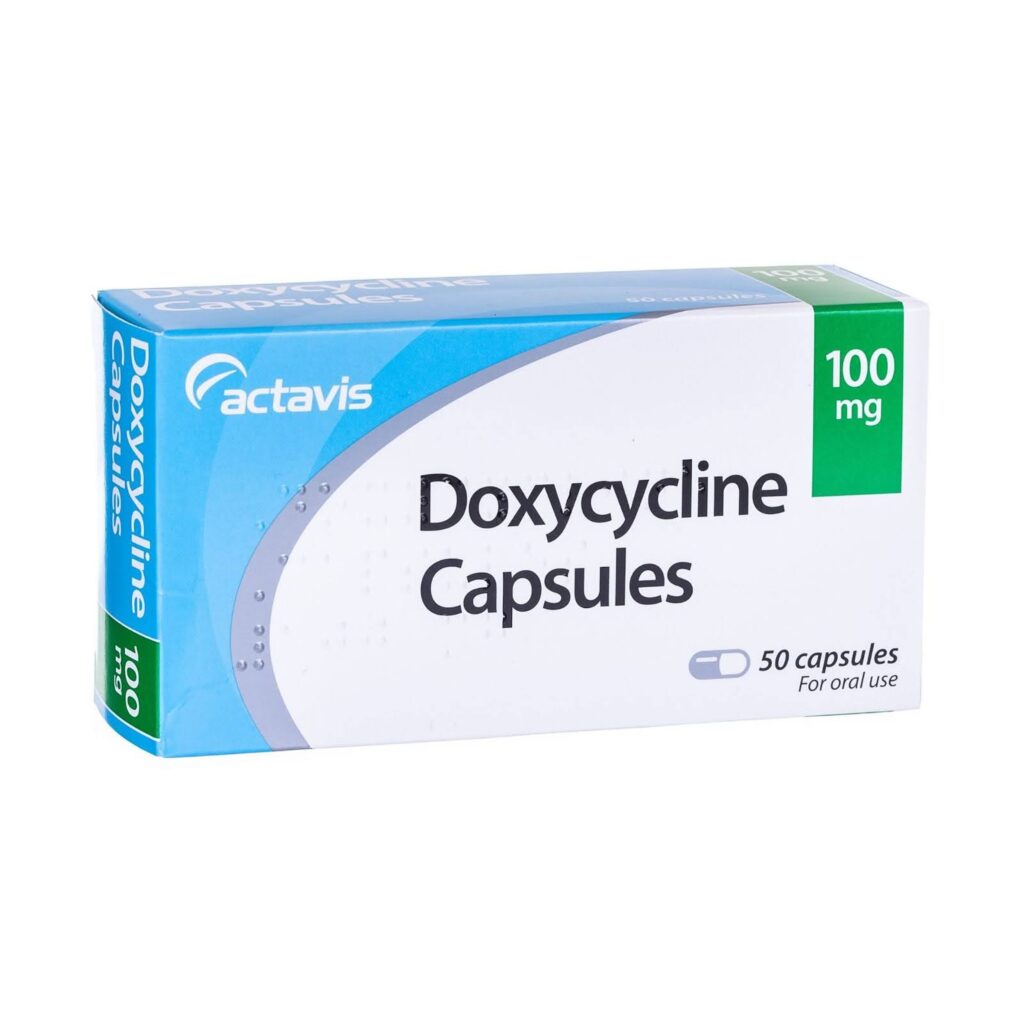
Doxycycline is a type of antibiotic that is used to treat a range of different bacterial infections. This antibiotic usually starts to work within the first few days of taking it and you are likely to start feeling better. However it is incredibly important that you continue to take it for the full course prescribed. This is to make sure the infection is fully treated so it does not come back. In this article we discuss frequently asked questions about Doxycycline such as “how fast does doxycycline work for infections?”
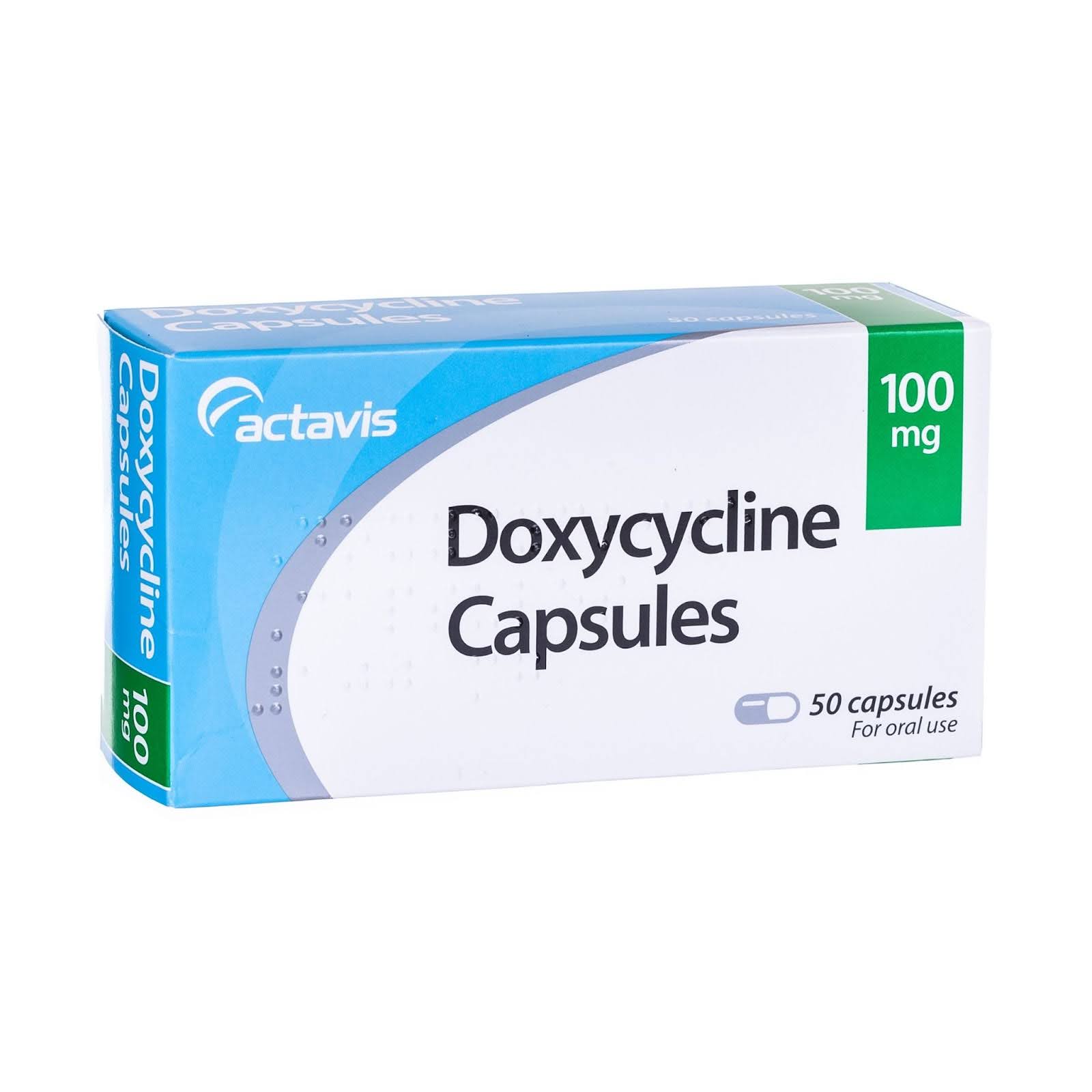
Doxycycline is a type of antibiotic, specifically a tetracycline antibiotic. This works by stopping the growth of bacteria and it also has anti-inflammation effects. Doxycycline can be prescribed to treat a variety of bacterial infections such as skin infections, sexually transmitted infections, and chest infections. It can also be used as a prevention medication for malaria when travelling to areas where malaria is prevalent. As it can be used for many different bacterial infections, the doxycycline time to work for infections is also varied.
So what is the doxycycline effectiveness time for infections? For most infections, Doxycycline usually only takes a few days to start working. You may start to feel better after the first few days of taking Doxycycline. Regardless, it is important to complete the full course of antibiotics prescribed to make sure that the infection is managed completely and does not come back.
If you start to feel worse after taking Doxycycline or you do not feel better after a few days of taking the medication, please consult a medical professional.
Doxycycline is currently the preferred first-line treatment for chlamydia in the UK, prescribed as 100 mg twice daily for 7 days. It works faster than most people expect, with symptom relief such as reduced discharge or discomfort typically beginning within the first 3 to 5 days. A 7-day course achieves microbiological cure rates of over 96% for urogenital chlamydia, which is why the CDC updated its guidelines in 2021 to recommend doxycycline as the preferred regimen over azithromycin.
| Dose | 100 mg twice daily |
| Course length | 7 days |
| Symptom relief | Within 3 to 5 days |
| Cure rate | Over 96% |
What to keep in mind during treatment:
For moderate to severe inflammatory acne, doxycycline works through both its antibacterial and anti-inflammatory effects. Unlike most infections where improvement is noticeable within days, acne responds gradually:
| Timeline | What to expect |
| Weeks 2 to 4 | Reduction in active spots and redness |
| Weeks 6 to 8 | Meaningful improvement in overall skin clarity |
| Week 12 | Full effectiveness typically assessed at this point |
For rosacea, low-dose doxycycline targets inflammation rather than bacteria directly, which is why the timeline is similar. Because of antibiotic resistance concerns, treatment is usually limited to 3 to 4 months and is often combined with a topical treatment such as benzoyl peroxide or adapalene. If there is no noticeable improvement after 6 to 8 weeks, speak to your prescriber about adjusting the treatment plan.
For bacterial chest infections and community-acquired pneumonia, doxycycline typically begins suppressing bacterial growth within the first 24 to 48 hours. The general recovery timeline looks like this:
| Timeline | What to expect |
| 24 to 48 hours | Antibiotic begins to act on the bacteria |
| 48 to 72 hours | Fever and fatigue usually start to improve |
| Up to 2 weeks | Coughing and congestion may persist even after the infection clears |
Sinus infections are frequently viral and do not respond to antibiotics. When bacterial sinusitis is confirmed, improvement usually begins within 2 to 4 days. If there is no improvement after 3 to 4 days on treatment, or if symptoms worsen, contact your doctor promptly.
Doxycycline is not the first-choice antibiotic for urinary tract infections in the UK, as trimethoprim or nitrofurantoin are more commonly prescribed. It may be used when other options are not suitable. When prescribed for a UTI, doxycycline typically begins to relieve symptoms such as pain or burning on urination within 48 hours, with bacteriologic cure rates of around 90 to 92% following a complete course.
Seek medical advice promptly if you experience any of the following during treatment:
For bacterial skin infections such as cellulitis or infected wounds, doxycycline typically begins to work within 48 hours. Full effectiveness is usually reached within 1 to 2 weeks depending on the severity of the infection.
| Stage | Signs of improvement |
| 48 hours | Reduced redness and swelling around the infection |
| 3 to 5 days | Decreased warmth, less pain on touch |
| 1 to 2 weeks | Full resolution of the infection in most cases |
One important consideration during treatment: doxycycline increases photosensitivity, so sun exposure should be minimised and SPF 30 or higher applied daily. Certain foods and drinks can also affect how well the antibiotic works. Find out more about what to avoid while taking doxycycline, including alcohol and dairy.
Doxycycline is the preferred first-line antibiotic for early Lyme disease in adults and children aged 8 and over, prescribed as 100 mg twice daily for 14 days. The doxycycline response time for infection in Lyme disease is faster than most people expect, but full recovery takes considerably longer than with other bacterial infections:
Up to 10% of patients continue to experience fatigue or joint pain after finishing treatment. This is known as Post-Lyme Disease Syndrome and does not respond to additional antibiotic courses. If symptoms fail to improve after completing the full course, consult your doctor rather than restarting antibiotics independently.
There are many factors that can influence the doxycycline response time for infection. It may be useful to think of how these relate to you and inform your healthcare provider of any concerns you may have. Here is an overview of some of the most common factors that influence the effectiveness of Doxycycline below:
| Factor | Description |
| Compliance | Following the dosage and frequency as prescribed by your doctor is important for achieving the optimal effectiveness of Doxycycline. |
| Individual factors | Your past medical history, age, weight, and overall health status can have an effect on how quickly or effectively Doxycycline works. |
| Other medications you take | If you have any other health conditions and you take any medication (prescribed or over the counter) or herbal remedies, these may interact and affect the effectiveness of Doxycycline. For example, some antacids (which you might take for indigestion) may affect the absorption of Doxycycline. |
| Your diet | The kind of food you eat can also affect the absorption of Doxycycline. Foods high in calcium such as dairy products are best avoided at the time you take the medication. |
| Gastrointestinal pH | The acid levels in your gastrointestinal tract can also affect the absorption of Doxycycline. |
The doxycycline time to start working on infection is usually within a few days to one week. If you are starting to worry that the Doxycycline is not working, you might want to:
1. Monitor your symptoms and look out for any side effects you might experience
2. Follow the guidelines and recommendations suggested
3. Consult your doctor or another medical professional
Like all medication, Doxycycline does come with a risk of side effects. If you have any concerns about the common symptoms or they do not resolve with home treatment, you can consult a healthcare professional for advice. Some common side effects include:
So when should I seek medical help? If you experience any of the serious symptoms below, you should seek medical attention immediately.
Serious side effects:
